Major Surgery Is Not Always Necessary Anymore
Medical science has advanced significantly over the last few decades, offering patients safer and less invasive treatment options. One of the most remarkable innovations in modern healthcare is Interventional Radiology (IR)—a specialty that allows doctors to diagnose and treat a wide range of conditions without the need for major surgery.
With smaller incisions, reduced pain, faster recovery, and shorter hospital stays, Interventional Radiology has transformed the way many diseases are treated. If you are looking for advanced Interventional Radiology treatment in Varanasi, Octaviaa Hospital provides state-of-the-art facilities and expert care for a variety of minimally invasive procedures.
What Is Interventional Radiology?
Interventional Radiology is a specialized branch of medicine that uses advanced imaging technologies such as Ultrasound, CT Scan, MRI, and Fluoroscopy to guide tiny instruments inside the body for diagnosis and treatment.
Instead of making large surgical cuts, doctors use thin catheters, needles, and guidewires inserted through a small puncture, allowing them to reach the affected area with exceptional precision.
Because of its minimally invasive nature, Interventional Radiology is often considered an effective alternative to traditional surgery for many conditions.
Benefits of Interventional Radiology
1. Less Pain
Since procedures are performed through tiny openings rather than large incisions, patients experience significantly less discomfort both during and after treatment.
2. Minimal Scarring
Most procedures require only a small puncture site, resulting in little to no visible scarring.
3. Faster Recovery
Patients typically recover much faster compared to conventional surgery, allowing them to return to their daily activities sooner.
4. Reduced Risk of Complications
Smaller incisions mean lower risks of infection, bleeding, and other surgical complications.
5. Shorter Hospital Stay
Many Interventional Radiology procedures are performed as day-care treatments or require only a brief hospital stay.
6. Greater Precision
Advanced imaging guidance allows doctors to target affected areas accurately while minimizing damage to surrounding healthy tissues.
Conditions Treated with Interventional Radiology
Interventional Radiology is used in the diagnosis and treatment of numerous medical conditions, including:
Peripheral Artery Disease (PAD)
Blocked or narrowed arteries can be treated using angioplasty and stenting procedures to restore healthy blood flow.
Varicose Veins
Minimally invasive treatments help eliminate enlarged veins while reducing discomfort and improving appearance.
Uterine Fibroids
Women suffering from fibroids may benefit from Uterine Fibroid Embolization (UFE), a non-surgical alternative to hysterectomy.
Liver Tumors and Liver Cancer
Certain liver tumors can be treated using targeted procedures such as embolization and ablation therapies.
Kidney Disorders
Interventional Radiology plays an important role in managing various kidney-related conditions and procedures.
Dialysis Access Management
Patients undergoing dialysis often require specialized procedures to maintain healthy vascular access.
Biopsy Procedures
Image-guided biopsies help diagnose suspicious masses or abnormalities with greater accuracy and minimal discomfort.
Drainage Procedures
Fluid collections, abscesses, and infections can be treated safely through image-guided drainage techniques.
Interventional Radiology vs Traditional Surgery
| Feature | Traditional Surgery | Interventional Radiology |
|---|---|---|
| Incision Size | Large | Very Small |
| Pain Level | Higher | Lower |
| Recovery Time | Longer | Faster |
| Hospital Stay | Longer | Shorter |
| Blood Loss | More | Minimal |
| Risk of Infection | Higher | Lower |
| Return to Daily Activities | Delayed | Quicker |
Is Interventional Radiology Safe?
Yes. Interventional Radiology procedures are generally considered highly safe when performed by trained specialists. The use of real-time imaging guidance allows doctors to visualize internal structures clearly and perform treatments with exceptional precision.
However, every patient is unique. A consultation with a specialist is essential to determine whether a minimally invasive procedure is the most suitable treatment option.
Why Patients in Varanasi Are Choosing Interventional Radiology
As healthcare continues to evolve, patients increasingly prefer treatments that offer:
- Faster recovery
- Less pain
- Minimal scarring
- Lower complication rates
- Reduced hospitalization costs
- Better overall patient experience
Interventional Radiology meets all of these expectations, making it one of the fastest-growing specialties in modern medicine.
Advanced Interventional Radiology Services at Octaviaa Hospital
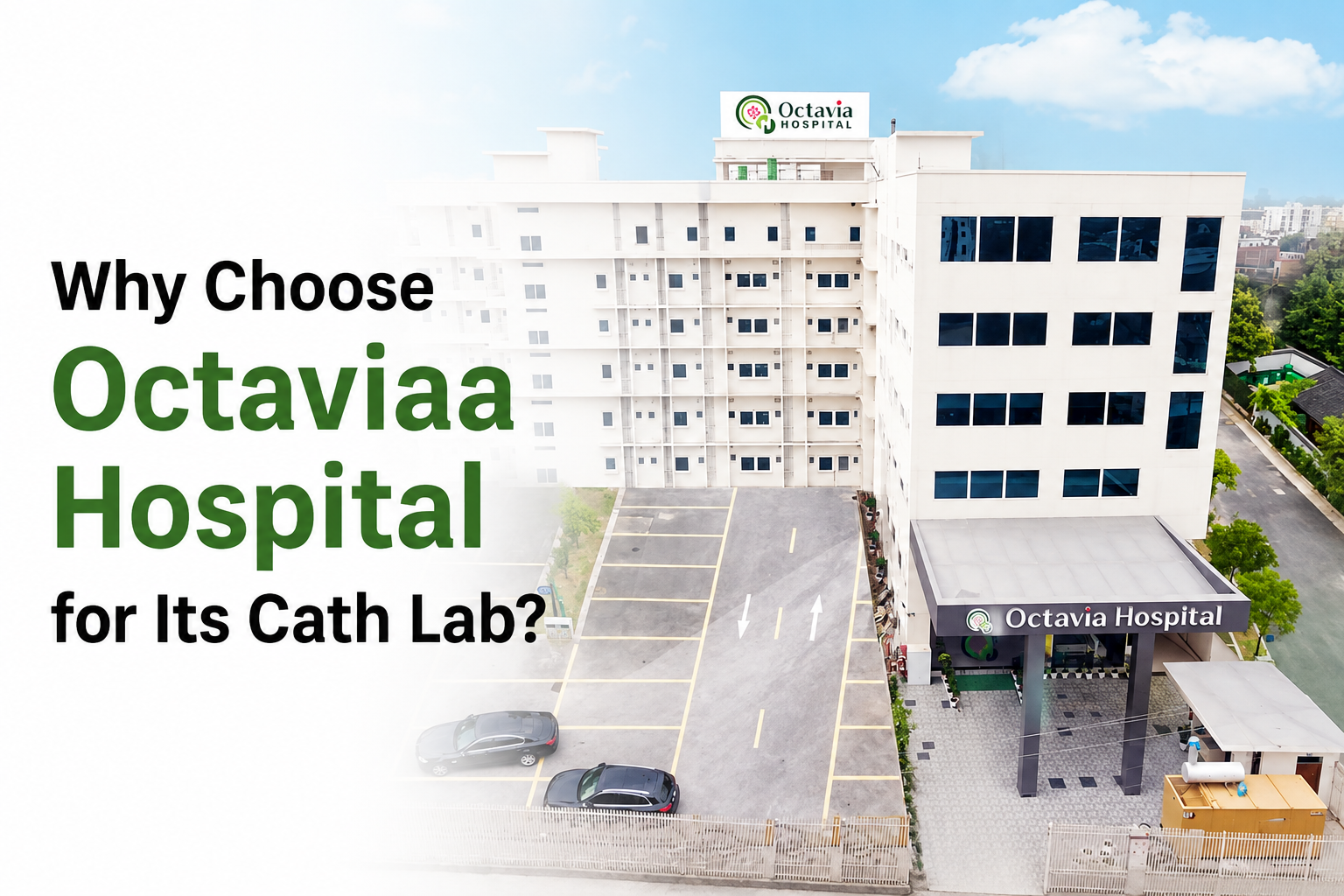
At Octaviaa Hospital, Varanasi, patients have access to advanced Interventional Radiology procedures performed using modern technology and evidence-based treatment protocols.
The hospital focuses on delivering precise, minimally invasive care that helps patients recover quickly while maintaining the highest standards of safety and clinical excellence.
Why Choose Octaviaa Hospital?
- Advanced imaging-guided procedures
- Modern medical infrastructure
- Experienced healthcare professionals
- Patient-centered treatment approach
- Faster recovery and shorter hospital stays
- Comprehensive care under one roof
Conclusion
The era when major surgery was the only treatment option is rapidly changing. Thanks to Interventional Radiology, many conditions can now be treated with minimal discomfort, faster recovery, and outstanding clinical outcomes.
If you are searching for Interventional Radiology in Varanasi, Minimally Invasive Treatment, Varicose Vein Treatment, Fibroid Embolization, or Advanced Vascular Procedures, consulting an Interventional Radiology specialist may help you explore safer and more convenient treatment options.
Octaviaa Hospital
Bharlai, Shivpur, Varanasi
📞 60020 60024
Advanced. Precise. Minimally Invasive.
Experience the future of healthcare with Interventional Radiology.