By Dr. Amit Kumar Gauraw
M.B.B.S., M.D., D.M. (Cardiology) – IMS, BHU
Introduction
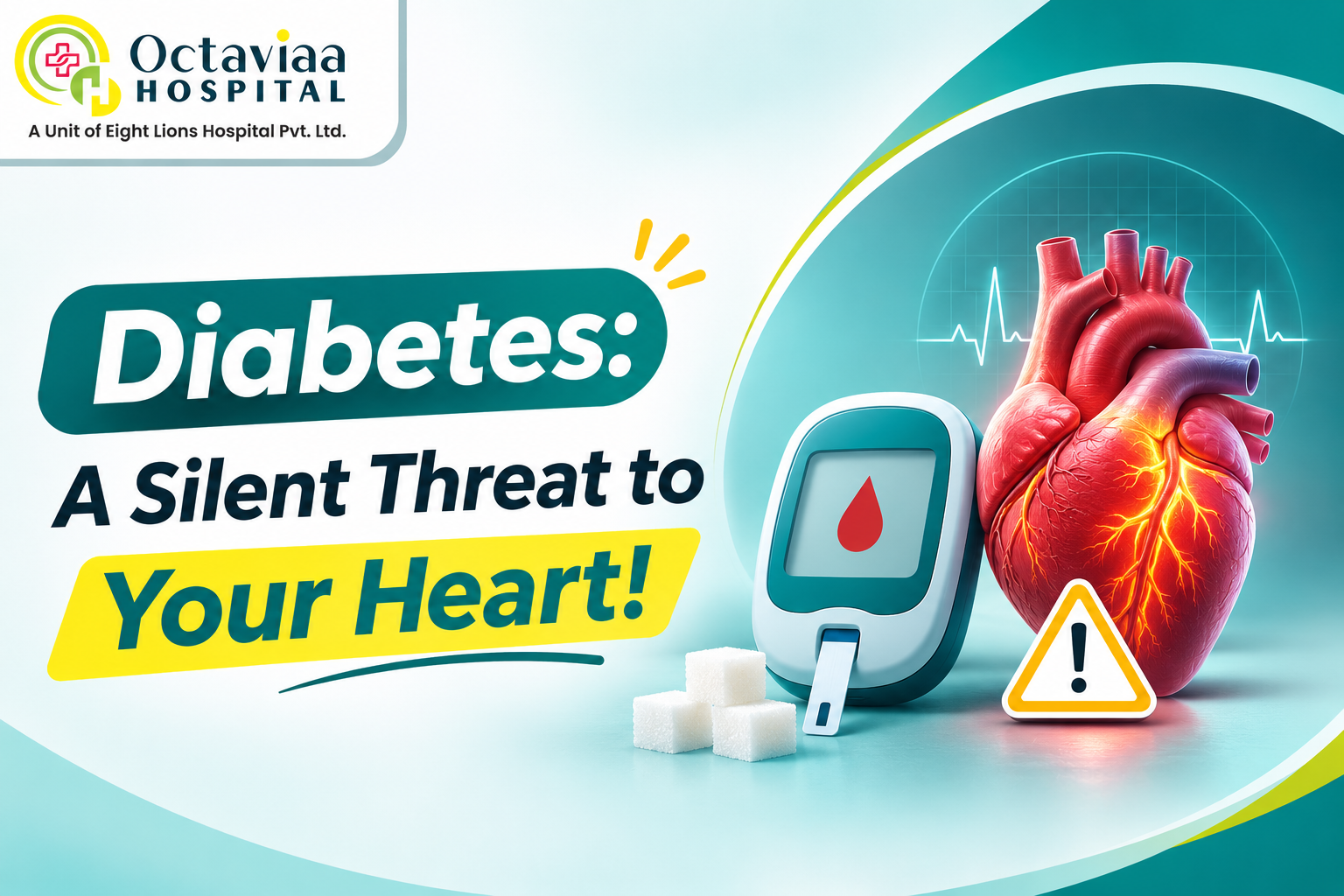
Diabetes is more than just a condition that affects blood sugar levels. If not properly managed, it can also increase the risk of serious heart-related problems. People living with diabetes are more likely to develop cardiovascular diseases, including heart blockage, coronary artery disease, and heart attacks. Understanding the connection between diabetes and heart health is essential for preventing complications and maintaining a healthy life.
How Does Diabetes Affect Your Heart?
When blood sugar levels remain high for a prolonged period, they can damage blood vessels and affect normal blood circulation. Over time, this damage may contribute to plaque buildup inside the arteries, making them narrower and reducing the supply of oxygen-rich blood to the heart.
Diabetes is also commonly associated with high blood pressure and unhealthy cholesterol levels. These conditions further increase the workload on the heart and raise the chances of developing cardiovascular complications.
Some major ways diabetes can affect heart health include:
Damage to Blood Vessels: High blood sugar can damage artery walls and contribute to plaque formation.
Increased Heart Blockage Risk: Narrowed arteries can restrict blood flow to the heart.
High Blood Pressure: Diabetes often occurs alongside hypertension, increasing the risk of heart disease.
Unhealthy Cholesterol: Higher triglycerides and lower good cholesterol can contribute to cardiovascular problems.
Silent Heart Problems: Some diabetic patients may experience reduced sensitivity to chest pain due to nerve damage, making heart attack symptoms less noticeable.
Warning Signs You Should Never Ignore
People with diabetes should pay attention to unusual changes in their health. Common warning signs of heart problems include:
- Chest pain, pressure, or tightness
- Breathlessness during routine activities
- Unusual tiredness or weakness
- Excessive sweating
- Pain in the arms, back, neck, or jaw
- Dizziness or light-headedness
Sometimes, heart problems may develop without obvious symptoms. Therefore, regular medical check-ups are important, even if you feel healthy. If you experience symptoms suggesting a heart attack, seek emergency medical attention immediately.
How Can You Protect Your Heart If You Have Diabetes?
Managing diabetes effectively can help reduce the risk of heart disease. Follow these essential measures:
Control Blood Sugar: Monitor glucose levels and follow your prescribed treatment.
Maintain Healthy Blood Pressure: Regularly check your BP and take medication as advised.
Eat a Balanced Diet: Include fruits, vegetables, whole grains, and healthy fats in your daily meals.
Stay Physically Active: Regular walking and exercise can improve heart health.
Monitor Cholesterol: Get regular lipid profile tests as recommended by your doctor.
Avoid Smoking: Tobacco damages blood vessels and further increases cardiovascular risk.
Get Regular Heart Check-Ups: Consult a cardiologist for appropriate evaluation based on your individual risk factors.
Expert Cardiac Care at Octaviaa Hospital, Varanasi
Managing diabetes also means taking responsibility for your heart health. At Octaviaa Hospital, Varanasi, we emphasize early diagnosis, preventive healthcare, and appropriate cardiac care to help patients manage their heart-related concerns.
Under the expert guidance of Dr. Amit Kumar Gauraw (M.B.B.S., M.D., D.M. – Cardiology, IMS, BHU), patients can seek professional cardiology consultation, cardiac evaluation, and guidance for managing cardiovascular risk factors.
Whether you are living with diabetes or experiencing symptoms related to heart health, timely consultation with a cardiologist can help identify potential problems and guide appropriate treatment.
Conclusion
Diabetes and heart disease are closely connected, but the risk of complications can be reduced through proper blood sugar management, a healthy lifestyle, and regular medical monitoring. Remember, controlling diabetes is not just about keeping your sugar levels in check; it is also about protecting your heart.
Prioritize your heart health with expert cardiac care at Octaviaa Hospital, Varanasi.
Consult Our Cardiologist
Dr. Amit Kumar Gauraw
M.B.B.S., M.D., D.M. (Cardiology) – IMS, BHU
Octaviaa Hospital
Address: Panchkroshi Road, Bharlai, Shivpur, Varanasi – 221003
Contact: +91 6002060024
Email: info@octaviahospitals.com